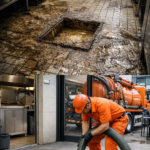
Grease traps are one of the most critical — and misunderstood — components of a commercial kitchen. Their job is simple: capture fats, oils, and grease (FOG) before they reach the sewer system. But when they are not properly maintained, the consequences go far beyond unpleasant odors.
In cities like Miami, grease trap compliance is strictly regulated. Health departments and environmental agencies expect restaurants to follow proper pumping schedules, disposal procedures, and documentation. A poorly maintained grease trap can lead to sewer backups, kitchen flooding, pest infestations, and even forced business closures.
Another common mistake is relying on internal staff or unlicensed vendors to handle grease disposal. This often results in improper waste handling, illegal dumping, or incomplete cleanings that leave grease buildup behind. Over time, this increases emergency incidents and long-term repair costs.
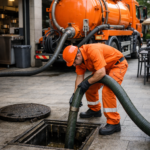
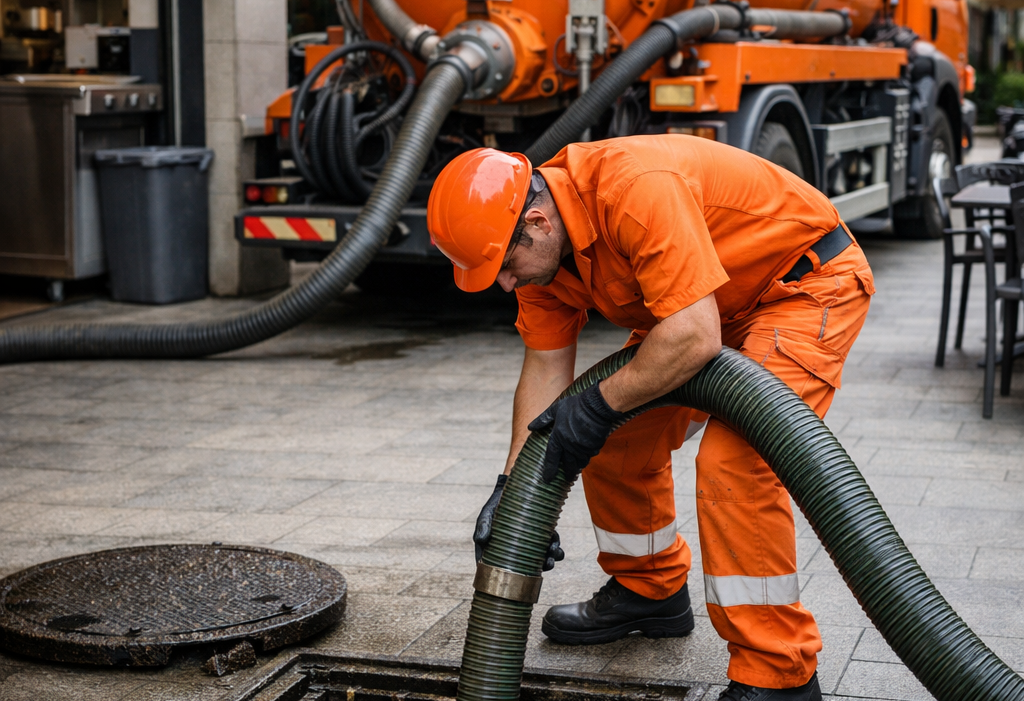
Professional grease trap cleaning services use specialized vacuum trucks, trained technicians, and certified disposal processes. More importantly, they help businesses move from reactive emergency calls to a preventive maintenance routine — reducing risk, protecting the environment, and keeping kitchens operational without interruptions.